
Exploring the family behind family medicine
Center for the History of Family Medicine Oral History Research Grant
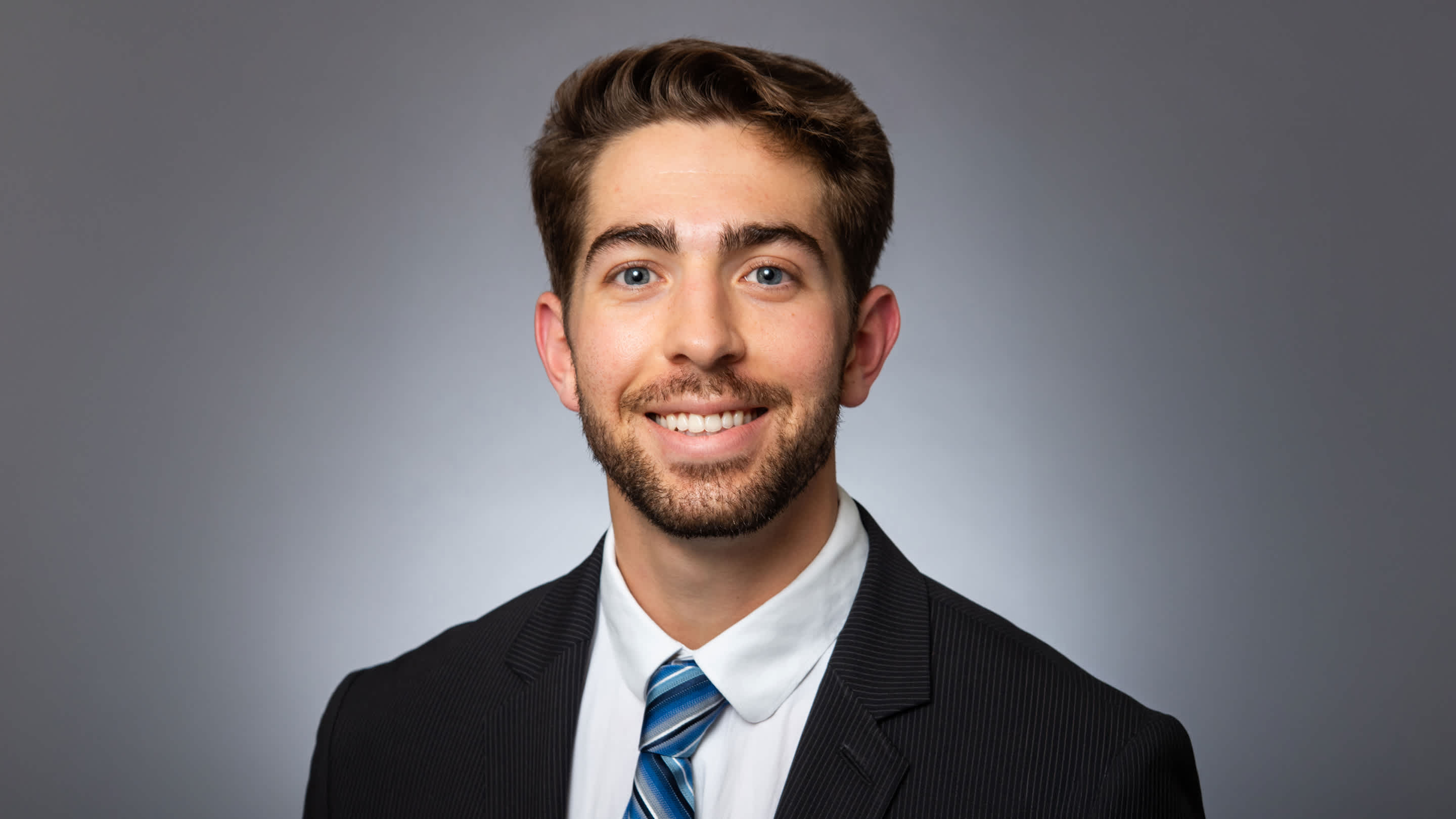
Benjamin “Benji” Popokh
Benjamin “Benji” Popokh, a fourth-year medical student at the University of Texas Southwestern School, was awarded an oral history research grant by the AAFP Foundation’s Center for the History of Family Medicine (CHFM). His project: examining family dynamics of family medicine physicians.
“When I did my family medicine rotations and electives, I noticed that more so than [with] any other specialty … the family members of the family doctors were involved,” Popokh said.
He witnessed physicians’ family members on staff, their kids playing in waiting rooms and their parents calling after hours with their own medical questions.
At a practice in Marble Falls, Texas, the physician’s daughter worked at the front desk and as a medical assistant, nurse and phlebotomist, “doing a little bit of everything,” Popokh said.
His observation sparked an interest in writing an article about the mother-daughter relationship at that clinic, but when Popokh learned of the CHFM’s annual Oral History Research Grant of up to $3,000, he was inspired to expand the project and apply.
“This grant definitely allowed the idea to blossom,” he said.
Popokh had previously spoken with several family physicians about their relationships with their children, spouses and parents, but felt, “a voice that I really didn't get to hear from were those relatives themselves.”
His project is focused on those voices and exploring the diversity of experiences that family members of family doctors have had. Popokh believes that exposure to caregiving has an effect on an individual’s psyche, and he’s curious to learn more about it.
“Ultimately, my feeling is that when your loved one is a family doctor, whether in a rural town where every family at church, in the grocery store, in the movie theater, knows you — or in an urban environment where you might see your parent doing street medicine, it makes you feel differently about your own health care, health care in your community, doctors in your community, and I suspect health care more broadly,” Popokh said.
What he’s gleaned so far is that knowing the effort a family member puts into patient care can increase someone’s empathy regarding their own physician’s workload or leave them disappointed if their physician doesn’t make the same level of effort.
Popokh anticipates completing interviews by early June. He plans to combine audio components of his project with visuals and produce a short documentary. He may also feature his interviews in a podcast.
In addition to helping defray the cost of equipment and travel expenses, Popokh said the grant, and it’s connection to the AAFP Foundation, helped open doors when approaching prospective interview subjects, whether he was contacting doctors through his local chapter of the Texas Academy of Family Physicians or the American Board of Family Medicine, or organizations such as the MedCommons and Side by Side, which support families of physicians.
“If you're looking for either financial help or perhaps more soulful motivation, this is a great grant to apply for,” Popokh said.
Each year the Center for the History of Family Medicine provides one grant of up to $3,000 to support the creation of oral history interviews focused on family medicine. The 2026 application period will run from July 1 to September 15 (11:59 p.m. CST).